Ant Exterminator & Control in Miami, FL
In Little Havana kitchens, ants can follow plumbing and utility lines through shared walls. One call sorts out whether an inspection, targeted treatment, or broader Miami job fits.
Click Here to Call (888) 510-9023A real person answers · No forms · No waiting on a quote email
- County
- Miami-Dade County
- Region
- South & Gulf Coast
- Conditions
- Year round heat, high humidity, hurricanes, torrential rain, and porous wet soils affect service
Plan
The right visit for the job
For Miami condos, townhomes, and single-family kitchens, the technician usually starts with an inspection before recommending targeted treatment or whole-property treatment.
Quote
A straight quote
The quote is given on the call, based on treatment size, access, materials, time on site, and distance.
Time
A visit time
The visit time is set on the call around building access, residents, pets, and the active ant problem.
Services
Ant Exterminator & Control Services in Miami
Miami homes and workplaces sit in a dense tropical setting where ants can move between kitchens, patios, landscaping, utility penetrations, and shared walls. High rise apartments add elevator and management access. Older homes, slab foundations, humid soil, restaurant storage, and Miami-Dade rain all affect where trails are found and how treatment is placed.
Residential ant control
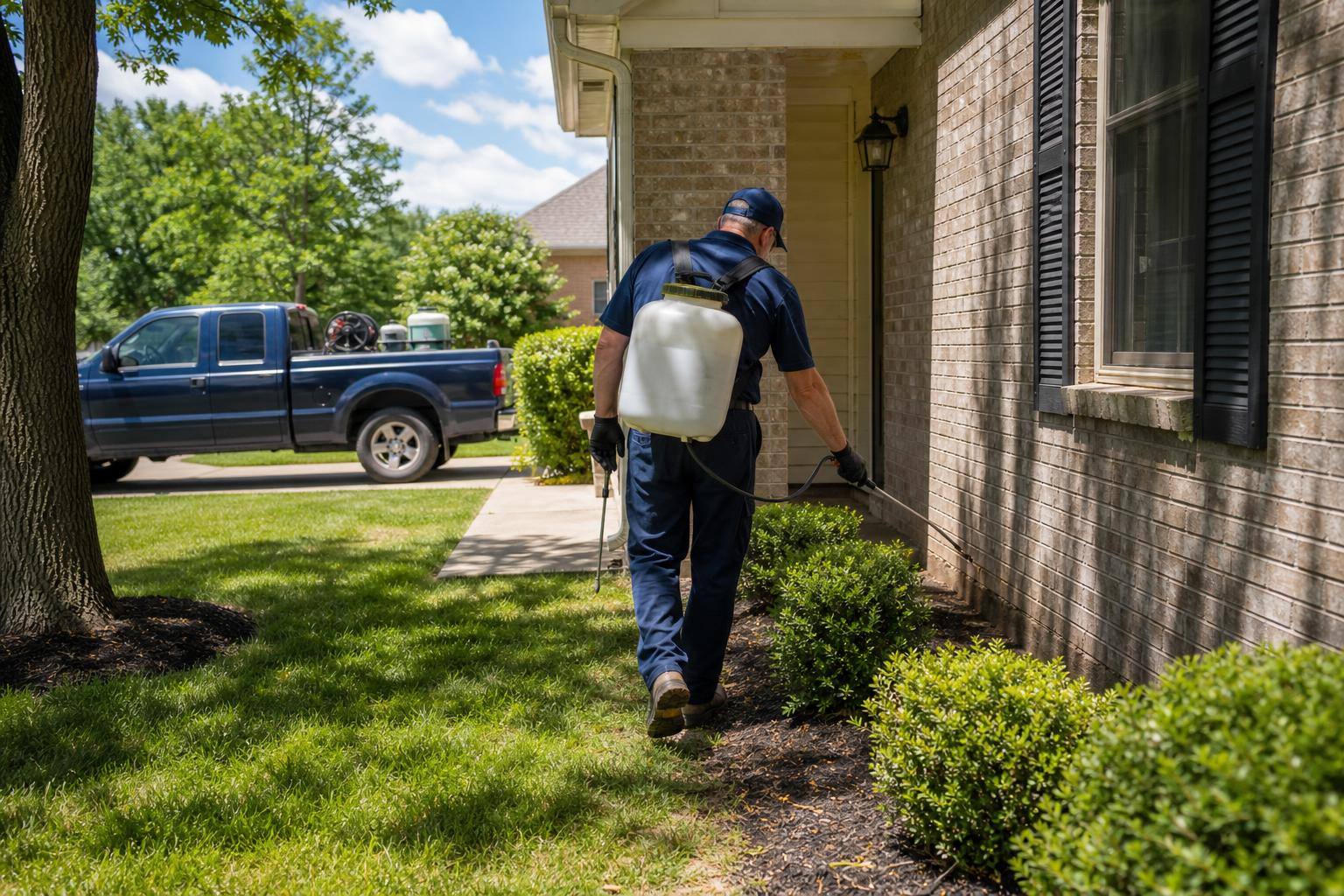
For Miami houses and townhomes, technicians trace indoor trails, inspect moisture points, and check exterior edges around slabs, doors, kitchens, and landscaping.
Kitchen ant treatment
In Little Havana and Coral Gables kitchens, treatment focuses on trails, food sources, plumbing penetrations, cabinets, and nearby exterior entry points.
Foundation ant treatment
Miami slab homes often need foundation-edge inspection where wet soil, mulch, cracks, and utility penetrations give ants access.
Lawn ant control
For yards from Coconut Grove to Kendall, technicians inspect trails, nests, irrigation areas, mulch, and points where lawn activity reaches the house.
Apartment ant control
Miami high rises and multifamily buildings require attention to shared walls, risers, kitchens, balconies, elevator access, and property management rules.
Restaurant ant control
Restaurant work in Miami examines food storage, wash areas, waste handling, service corridors, and exterior doors without treating beyond the selected areas.
Commercial ant prevention
Miami offices, shops, and facilities can use inspections, treatments, monitoring, and documentation suited to occupied commercial spaces.
Sizes
Ant Exterminator & Control Options Available in Miami
The most common Miami job is an inspection followed by targeted treatment around a kitchen, slab edge, or selected outdoor trail. Whole-property treatment fits recurring activity across a home, while commercial control suits managed buildings and food-service sites.
Which option fits common Miami projects
Schedule Miami ant treatment
Click Here to Call (888) 510-9023Cost
What Affects Ant Exterminator & Control Cost in Miami
The exact quote is given on the call after the job is described. Cost depends on the type and size of the ant problem, interior and exterior areas, parts and materials, time on site, access, distance, and after-hours work.
Job size and areas
The number of rooms, foundation sections, lawn areas, nests, trails, and treatment zones changes the work required at a Miami property.
Access and distance
High rise entry, elevators, parking, gated communities, shared buildings, and travel across Miami-Dade can change time on site and service planning.
Parts and materials
The quote accounts for treatment materials and any parts or supplies needed for the selected ant treatment, based on the site conditions found.
Timing and conditions
After-hours access, active rain, wet soil, occupied kitchens, and the need to coordinate with tenants or managers can affect the work and its cost.
Describe every affected area before the visit, including trails outside the main room, shared-wall concerns, access restrictions, and prior treatments. The exact quote is given on the call so the selected work is clear before scheduling.
What goes in
Types of Work We Handle
Indoor Ant Infestations
This covers ants in kitchens, bathrooms, utility rooms, living areas, and other occupied spaces. A typical Miami load includes trails near sinks, cabinets, food storage, or plumbing penetrations.
Outdoor Ant Activity
This covers trails, nests, foundation edges, patios, lawns, and landscaping near the structure. Miami rain, irrigation, mulch, and wet soil can change where activity is found.
Preventive Pest Control
This covers practical prevention guidance and selected treatment intended to reduce entry opportunities. In Miami, that may mean checking doors, slab edges, moisture, food sources, and vegetation.
Not accepted. The service does not cover unrelated pests, unsafe areas, concealed damage repairs, or treatment beyond the agreed work area, and hazardous materials must be identified before the visit.
How to protect your home in Miami
Projects
Ant Exterminator & Control for Different Projects
Kitchen Ant Exterminator & Control
Kitchen treatment in Miami homes and condos checks cabinets, plumbing openings, food sources, windows, and nearby exterior trails before focused work is selected.
Foundation Ant Exterminator & Control
For Miami-Dade slab homes, technicians inspect the foundation edge, wet soil, mulch, cracks, doors, and utility penetrations where ants may enter.
Lawn Ant Exterminator & Control
Lawn work in Kendall, Westchester, and other Miami areas follows trails through grass, irrigation zones, mulch, patios, and the foundation perimeter.
Apartment Ant Exterminator & Control
Miami apartment treatment accounts for shared walls, risers, kitchens, balconies, elevators, tenants, and building management access before selected areas are treated.
Restaurant Ant Exterminator & Control
Restaurant work in Miami examines food storage, prep areas, wash stations, waste routes, service doors, and exterior activity around the building.
Office Ant Exterminator & Control
Office treatment covers break rooms, utility rooms, exterior doors, landscaped edges, and shared corridors in Miami commercial buildings.
Whole-Property Ant Exterminator & Control
A Miami whole-property job combines interior treatment with exterior perimeter work when ants are active across several rooms, the slab edge, and the yard.
How it works
How Ant Exterminator & Control Works in Miami
Call For Ant Help
A real person records the Miami property type, ant locations, access limits, and any concerns about residents, pets, tenants, or food areas.
Describe The Ant Activity
Explain the trail locations, time of day, moisture, food sources, prior treatment, and whether activity appears indoors, outdoors, or in shared spaces.
Approve The Treatment Plan
The technician explains the suitable job type and work areas, then the quote and selected treatment plan are approved before scheduling.
Complete Ant Control
The technician inspects and treats the agreed areas, working around building access, occupants, weather, and practical prevention steps.
Weather in Miami
Miami heat and humidity keep ant activity possible year round. Torrential rain can move colonies, open new entry routes, and leave soil wet around slabs. Hurricane conditions may affect exterior access and treatment placement, so the visit plan is set around safe site conditions.
Treatment area access
Work may occur in kitchens, utility rooms, crawl spaces, slab edges, yards, patios, balconies, or selected exterior walls. Miami high rises add elevators, risers, shared corridors, and management access. Basements are uncommon, and tight storage, parked vehicles, gates, standing water, or occupied rooms can limit access.
Discuss Miami ant activity
Click Here to Call (888) 510-9023Permits
Ant Exterminator & Control Permits and Placement Rules in Miami
Access rules
Ant treatment at a private property generally does not require a street permit, but placing equipment or restricting a public sidewalk, roadway, or other public space can involve the City of Miami or Miami-Dade County. The call covers the access situation and who must arrange any required local approval or inspection.
Landlord and HOA requirements
Miami-Dade County associations, condominium boards, landlords, and covenants may control exterior treatment, balcony access, parking, notice, and approved service hours. Confirm the property rules before scheduling work in shared or managed areas.
What the work area needs
Clear a path to the affected rooms, foundation edges, yard, utility areas, and shutoffs. Reserve practical parking for the work vehicle where possible. Keep people and pets away from active work areas, and mention gates, elevators, flooding, rain, or hurricane-related conditions before the visit.
Timing
Seasons, Weather and the Best Time to Call in Miami
Miami ants remain a year-round concern because heat, humidity, and wet ground do not create a long dormant season. Activity often becomes more noticeable after torrential rain, irrigation, or a storm pushes colonies toward kitchens, wall openings, slabs, and covered areas. Restaurants and multifamily buildings can see recurring movement as conditions change.
Rain-driven ant movement
Heavy Miami rain can displace outdoor colonies and make trails appear around doors, plumbing openings, patios, and foundation edges. Report fresh indoor trails and standing water so exterior conditions are considered.
Heat and humidity
Warm, humid conditions support ongoing activity through the year. Kitchens, shaded landscaping, utility rooms, and high rise service areas should remain accessible when recurring trails or moisture-related entry points are being checked.
Service area
Ant Exterminator & Control Areas We Serve
Service covers Miami neighborhoods and settings including Brickell, Little Havana, Coral Gables, Coconut Grove, Wynwood, Miami Beach, Kendall, Westchester, Downtown, and multifamily corridors across Miami-Dade County. Nearby service areas can include Fort Myers, Sebring, Kissimmee, Plant City, and Oviedo.
Miami is part of our Miami-Dade County coverage, and we also serve the neighboring communities below.
Why Call an Ant Exterminator & Control in Miami?
Miami's dense mix of high rises, slab homes, restaurants, and tropical landscaping means an ant trail may involve shared walls, elevators, utility penetrations, wet soil, or an exterior perimeter rather than one room alone.
In Little Havana, Brickell, Coral Gables, and Miami Beach, treatment has to fit the property layout and access rules. Technicians check food sources, moisture, entry points, and occupied areas before selecting the smallest suitable job.
Click Here to Call (888) 510-9023FAQs
Ant Exterminator & Control FAQs
How much does ant control cost in Miami?
The exact quote is given on the call. Cost changes with the ant activity, property size, treatment areas, parts and materials, time on site, access, distance, and after-hours work. Describe indoor trails, exterior activity, building type, and any management restrictions before scheduling.
Which ant treatment fits my Miami property?
An inspection fits activity with an unclear source, targeted treatment fits selected trails or entry points, whole-property treatment fits activity across a home, and commercial control fits recurring business or managed-building work. The property type and spread of activity determine the recommendation.
How soon can someone come for Miami ant control?
The visit time is set on the call because access, occupants, weather, and technician scheduling all matter. Ask about available timing when describing the problem, especially for an active restaurant, high rise, rental unit, or ant activity affecting food storage.
What does Miami ant treatment cover?
Treatment can cover agreed indoor trails, nests, entry points, foundation edges, lawns, patios, kitchens, utility areas, or commercial zones. The selected service determines the work area, and the technician checks food sources, moisture, and access before treatment.
What does ant control not cover?
It does not cover unrelated pests, unsafe areas, concealed building damage repairs, or work beyond the agreed area. Tell the technician about other insects, structural concerns, hazardous materials, shared walls, and previous applications before the plan is approved.
Does Miami ant treatment need a permit or inspection?
Private-property ant treatment generally does not need a permit, but public sidewalks, streets, or other shared spaces may involve the City of Miami or Miami-Dade County. The call covers the access details and who must arrange any required approval or inspection.
How should I prepare my Miami home for ant treatment?
Clear affected counters, cabinets, utility areas, foundation edges, and yard paths, then secure food and keep people and pets away as directed. Have gates, elevators, parking, tenant access, and any prior treatment details ready for discussion.
Can ants be treated in a Miami high rise?
Yes, high rise ant work can address selected units, kitchens, balconies, utility areas, and shared access points when building rules allow it. Elevator reservations, management approval, shared walls, risers, parking, and tenant coordination should be explained on the call.
Does Miami rain affect ant treatment?
Yes, torrential rain and wet soil can move colonies, change trails, and limit exterior work. Heat and humidity support activity year round, while hurricane conditions may affect safe access and the placement of outdoor treatment.
Can Miami restaurant ant activity be treated while operating?
Restaurant ant control can be planned around occupied food-service areas, but access and treatment conditions must be discussed first. Share the kitchen layout, storage areas, wash zones, service doors, operating constraints, and any required manager coordination on the call.
Other services in Miami
- Bed Bug Exterminator
- Flea Exterminator
- Spider Exterminator
- Cockroach Exterminator & Control
- Mosquito Control