Ant Exterminator & Control in Charleston, SC
A Charleston peninsula row house can develop ant trails along damp sills after tidal water or a storm. One call gets the inspection or treatment plan matched to the property.
Click Here to Call (888) 510-9023A real person answers · No forms · No waiting on a quote email
- County
- Charleston County
- Region
- South & Gulf Coast
- Conditions
- Hot humid summers, hurricanes, tidal flooding, and sandy or saturated ground constrain exterior work
Plan
The right visit for the job
Historic peninsula homes often need a targeted treatment for kitchen trails, while larger yards, crawl spaces, or connected Charleston properties may need whole-property treatment.
Quote
A straight quote
The exact quote is given on the call, based on treatment size, access, ant activity, materials, distance, and time on site.
Time
A visit time
The visit time is set on the call around access, residents, pets, and conditions at the Charleston property.
Services
Ant Exterminator & Control Services in Charleston
Charleston homes often combine old brick, tight crawl spaces, shaded yards, and moisture near foundations. On the historic peninsula, tidal flooding and storm exposure can move ants toward interior food and water sources. In West Ashley, James Island, and Charleston County commercial spaces, treatment may need separate attention to kitchens, utility rooms, landscaping, and exterior entry points.
Residential ant control
Residential service traces trails through Charleston kitchens, crawl spaces, baseboards, and foundation edges before selecting the treatment area.
Kitchen ant treatment
Kitchen treatment focuses on trails near sinks, cabinets, plumbing penetrations, and food storage in Charleston peninsula and West Ashley homes.
Foundation ant treatment
Foundation work checks cracks, slab edges, crawl space vents, and damp soil around Charleston County homes exposed to heavy rain.
Lawn ant control
Lawn control addresses nests and travel routes around patios, walkways, shaded beds, and sandy Charleston yards.
Apartment ant control
Apartment service separates unit activity from shared walls, utility chases, and neighboring units in Charleston buildings.
Restaurant ant control
Restaurant work concentrates on food areas, wash stations, storage, waste routes, and exterior access points around Charleston business corridors.
Commercial ant prevention
Commercial prevention uses inspections, treatments, monitoring, and documentation for Charleston offices, kitchens, retail spaces, and managed properties.
Sizes
Ant Exterminator & Control Options Available in Charleston
The most common Charleston jobs fit inspection or targeted treatment because trails often begin at a sink, window, foundation edge, or utility penetration. Whole-property treatment suits recurring activity across damp exteriors and interiors, while commercial control serves operating businesses.
Which option fits common Charleston projects
Schedule Charleston ant treatment
Click Here to Call (888) 510-9023Cost
What Affects Ant Exterminator & Control Cost in Charleston
The exact quote is given on the call after the job is described. Cost depends on the type and size of treatment, ant activity, parts or materials, time on site, distance, access, and any after-hours work.
Treatment size
A kitchen trail, foundation edge, lawn area, or complete Charleston property requires different inspection time, treatment coverage, and prevention work.
Access and distance
Historic peninsula streets, limited parking, narrow side passages, crawl spaces, and travel across Charleston County can change access and time on site.
Materials needed
The ant species, nesting location, moisture conditions, and selected treatment can affect the parts and materials required for the work.
Site conditions
Storm cleanup, saturated ground, tidal exposure, occupied kitchens, and after-hours commercial access can change how the visit is planned.
To avoid surprise charges, describe every active area, recent treatment, access limit, parking issue, pet, and storm related condition on the call. The exact quote is set before the visit.
What goes in
Types of Work We Handle
Indoor Ant Infestations
This covers trails and nests in kitchens, bathrooms, utility rooms, crawl spaces, and living areas, including a Charleston peninsula row house with damp masonry.
Outdoor Ant Activity
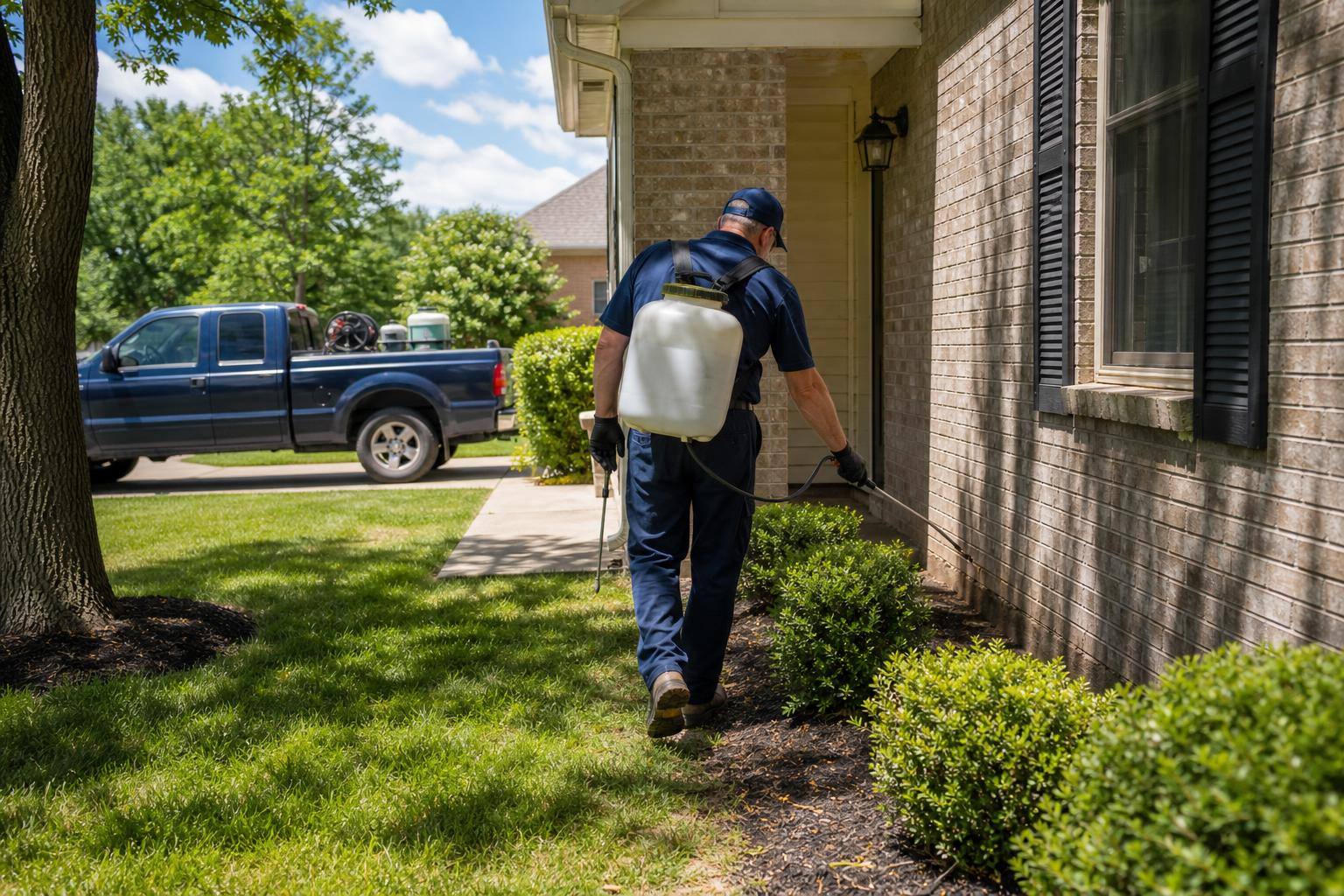
This covers nests and trails around lawns, foundations, porches, patios, and beds, including a Charleston County yard with sandy or saturated ground.
Preventive Pest Control
This covers practical prevention guidance and treatment planning around entry points, moisture, food sources, and exterior perimeters for Charleston homes and businesses.
Not accepted. Treatment does not cover unrelated pests, unsafe work areas, concealed damage, or conditions that prevent safe access to the affected space.
How to protect your home in Charleston
Projects
Ant Exterminator & Control for Different Projects
Kitchen Ant Exterminator & Control
Kitchen service follows trails around sinks, cabinets, plumbing penetrations, and food storage in Charleston homes, including older peninsula properties.
Foundation Ant Exterminator & Control
Foundation work checks slab edges, brick joints, vents, crawl spaces, and damp soil around Charleston County homes after heavy rain.
Lawn Ant Exterminator & Control
Lawn treatment targets visible nests and routes around beds, walkways, patios, and shaded yards in Charleston and James Island.
Apartment Ant Exterminator & Control
Apartment service considers shared walls, utility chases, kitchens, and neighboring units in Charleston buildings before selecting the treatment area.
Restaurant Ant Exterminator & Control
Restaurant treatment covers food preparation, storage, wash stations, waste routes, and exterior entry points along Charleston business corridors.
Office Ant Exterminator & Control
Office treatment checks break rooms, utility rooms, landscaped edges, and wall penetrations in Charleston commercial properties.
Whole-Property Ant Exterminator & Control
Whole-property service connects interior trails with crawl spaces, foundations, lawns, and perimeter access at Charleston homes exposed to storms and tidal moisture.
How it works
How Ant Exterminator & Control Works in Charleston
Call For Ant Help
A real person answers by phone around the clock. Describe the Charleston property, the active areas, and any access concerns.
Describe The Ant Activity
Share where trails start, how often they appear, recent weather, moisture sources, and any treatment already used.
Approve The Treatment Plan
The treatment type, work area, access needs, and exact quote are reviewed on the call before the visit is set.
Complete Ant Control
The technician traces activity, treats the selected areas, and provides practical prevention guidance suited to the property.
Weather in Charleston
Charleston heat and humidity can increase ant activity around kitchens, foundations, and shaded yards. Heavy rain, hurricanes, tidal flooding, and saturated ground can limit exterior work or shift trails indoors. The visit is planned around safe ground, storm conditions, and access to the affected areas.
Treatment area access
Work may take place at kitchen edges, slabs, crawl spaces, basements, utility rooms, foundation walls, porches, lawns, and perimeter beds. Historic Charleston properties can have tight access, old masonry, narrow side paths, limited parking, or storm affected ground that restricts exterior treatment.
Discuss Charleston ant activity
Click Here to Call (888) 510-9023Permits
Ant Exterminator & Control Permits and Placement Rules in Charleston
Access rules
Ant treatment at a private property generally does not require a street permit or local inspection, but street placement, blocked access, or work affecting public space may involve the City of Charleston or another local government. The call covers who needs to arrange any approval before work is set.
Landlord and HOA requirements
Charleston County homeowners associations and covenants may regulate exterior applications, yard access, parking, or notice to residents. Renters should also check landlord rules before treatment around shared areas or neighboring units.
What the work area needs
Clear a path to the problem area, utility shutoffs, crawl space doors, kitchens, and exterior edges. Reserve practical parking for the work vehicle, keep pets and people away, and mention tidal water, saturated soil, storm debris, or other seasonal limits.
Timing
Seasons, Weather and the Best Time to Call in Charleston
Ant activity commonly rises through Charleston's warm, humid spring and summer, especially around kitchens, shaded lawns, and damp foundations. Heavy rain and storm systems can redirect colonies toward walls and utility penetrations. Fall activity may continue in protected interiors, while winter often shifts attention to heated rooms and concealed moisture.
Summer humidity and trails
Hot humid Charleston weather supports activity around sinks, crawl spaces, mulch, and shaded foundations. Check moisture and food sources, then plan exterior work around safe ground and storm conditions.
Storms and tidal water
Hurricanes, tidal flooding, and saturated ground can limit perimeter access and push ants toward higher interior areas. Report recent flooding or storm exposure so the treatment location is planned accurately.
Service area
Ant Exterminator & Control Areas We Serve
Service covers the Charleston peninsula, South of Broad, Harleston Village, downtown, West Ashley, James Island, Johns Island, Daniel Island, and the Mount Pleasant side of the area, along with properties across Charleston County. Nearby service areas can be discussed by phone.
Charleston is part of our Charleston County coverage, and we also serve the neighboring communities below.
Why Call an Ant Exterminator & Control in Charleston?
Charleston's historic peninsula brings old masonry, narrow access, crawl spaces, and tidal exposure together on small lots. Ant treatment has to distinguish a trail entering through a wall or utility point from activity caused by moisture around the outside perimeter.
Across West Ashley, James Island, and Charleston County, yards, slabs, shaded landscaping, and saturated ground can connect exterior nests with indoor kitchens. The work plan changes with drainage, storm history, parking, pets, and the distance between active areas.
Click Here to Call (888) 510-9023FAQs
Ant Exterminator & Control FAQs
How much does ant control cost in Charleston?
The exact quote is given on the call. Cost depends on the treatment type and size, ant activity, parts or materials, time on site, distance, access, and after-hours work. Historic peninsula parking, crawl space access, and storm conditions can change the work involved.
Which ant service fits my Charleston home?
An inspection fits unclear activity, targeted treatment fits a defined trail or nest, and whole-property treatment fits recurring activity across interiors and exterior areas. A Charleston row house, suburban yard, and apartment may each need a different starting point.
How soon can someone come for ant control in Charleston?
The visit time is set on the call after the property and activity are described. Mention active kitchen trails, recent flooding, pets, tenant access, parking limits, and whether same-day or next-day availability should be discussed.
What does Charleston ant treatment cover?
Treatment covers the selected indoor or outdoor areas, such as kitchens, foundations, crawl spaces, lawns, entry points, nests, or perimeter routes. The service is planned after the technician understands the activity and the property's access conditions.
What does ant control not cover?
Ant control does not cover unrelated pests, unsafe areas, concealed damage, or conditions that prevent safe access. It also does not repair plumbing, masonry, drainage, storm damage, or other building problems that may support moisture.
Does Charleston ant treatment need a permit or inspection?
Private ant treatment generally does not need a street permit or local inspection, but work affecting public space or street access may involve the City of Charleston or another local government. The call covers who should arrange any required approval.
What access is needed for Charleston ant treatment?
Clear access is needed to active rooms, crawl spaces, utility areas, foundation edges, lawns, and other selected treatment locations. Keep people and pets clear, provide practical vehicle parking, and disclose narrow paths, locked areas, tidal water, or storm debris.
What should I have ready when calling about ants?
Have the Charleston property address, affected rooms or outdoor areas, trail locations, recent weather or flooding, pets, access limits, recent pest treatments, and landlord or property manager details ready. Photos can help describe activity if they are available.
Does Charleston weather affect ant treatment?
Yes, heat, humidity, heavy rain, hurricanes, tidal flooding, and saturated ground can change ant movement and limit exterior work. Mention recent storms or standing water so the visit can focus on safe, useful treatment areas.
Can you treat ants on the Charleston historic peninsula?
Yes, treatment can be planned for historic peninsula properties, including row houses with old masonry, narrow side access, crawl spaces, and limited parking. Tidal exposure, storm conditions, and the route to foundations or utility areas are reviewed on the call.
Other services in Charleston
- Bed Bug Exterminator
- Flea Exterminator
- Spider Exterminator
- Cockroach Exterminator & Control
- Mosquito Control