Ant Exterminator & Control in Chicago, IL
A three-flat kitchen in Logan Square can keep showing ants after surface cleaning, especially around shared walls and plumbing. One call sorts the inspection, treatment type, access needs, and visit timing.
Click Here to Call (888) 510-9023A real person answers · No forms · No waiting on a quote email
- County
- Cook County
- Region
- Midwest & Great Lakes
- Conditions
- Cold snowy winters, humid summers, lake-effect weather, and dense paved surroundings shape outdoor work
Plan
The right visit for the job
Chicago flats, bungalows, and apartment units commonly need an inspection first, while a visible trail at one entry point may fit a targeted treatment.
Quote
A straight quote
The quote is given on the call and changes with treatment size, access, materials, time on site, and distance.
Time
A visit time
The visit time is set on the call around building access, tenant coordination, weather, and the affected rooms.
Services
Ant Exterminator & Control Services in Chicago
Chicago properties put ants in different pathways. Older brick flats may share masonry and plumbing chases, while high-rise apartments require coordinated building access, tenant notice, and work around utility rooms. Bungalows and detached homes add basements, slabs, foundations, lawns, and rear alleys. Humid summers can support outdoor activity, while winter drives ants toward heated interiors.
Residential ant control
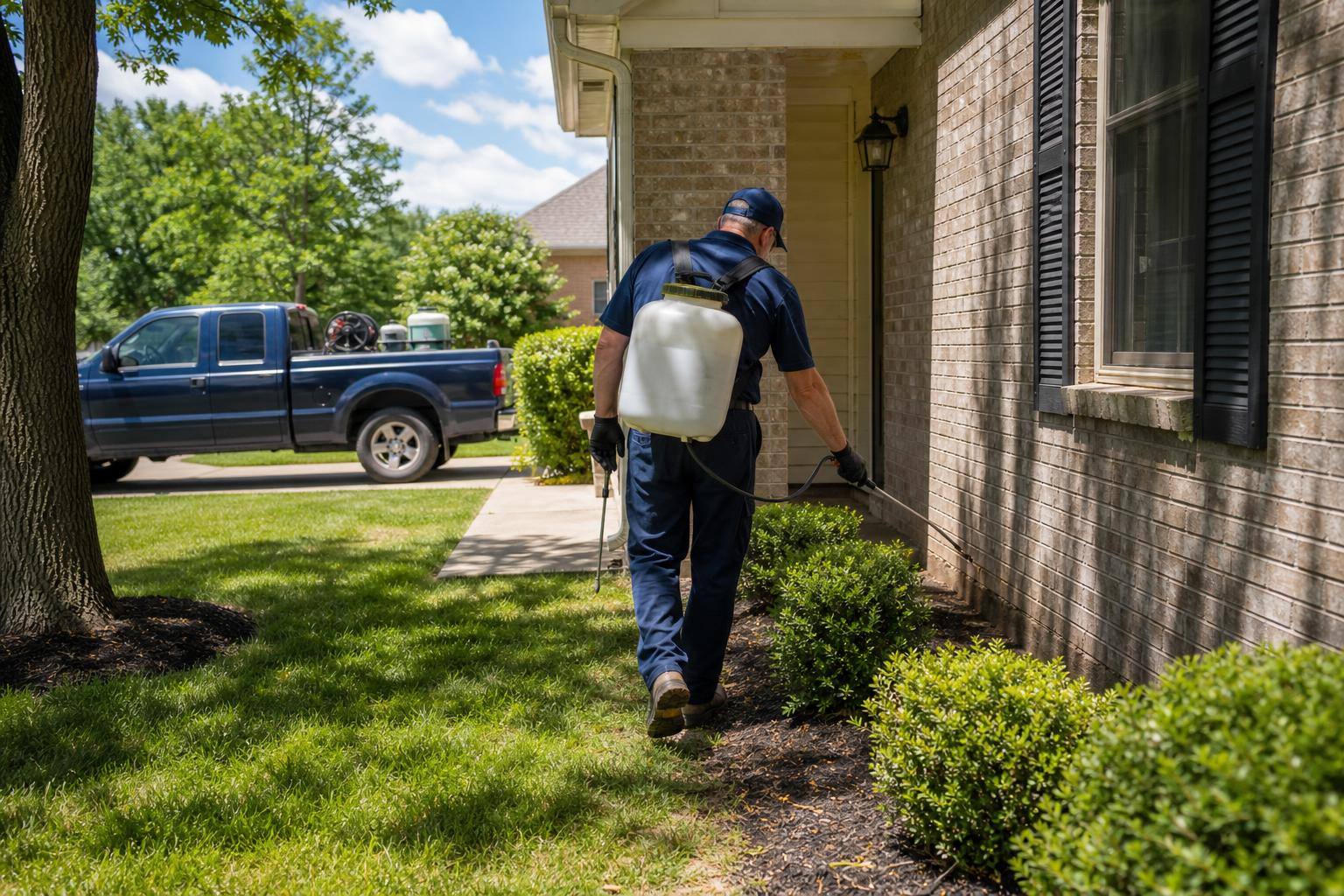
For Chicago bungalows, two-flats, and detached homes, treatment follows trails through kitchens, basements, foundations, and outdoor edges.
Kitchen ant treatment
Kitchen work in Lincoln Park or Pilsen focuses on food sources, sink plumbing, cabinet gaps, and trails that may cross shared walls.
Foundation ant treatment
Foundation treatment checks cracks, utility penetrations, and damp perimeter areas around Chicago homes, including basement and slab transitions.
Lawn ant control
Lawn work covers outdoor activity near patios, fences, foundations, and garden edges in Chicago yards where summer moisture supports trails.
Apartment ant control
Chicago high-rise and courtyard apartment treatment requires building access coordination, tenant preparation, and attention to shared utility routes.
Restaurant ant control
Restaurant work examines prep areas, dish stations, storage, delivery doors, and waste zones along Chicago commercial corridors.
Commercial ant prevention
Commercial programs document activity, inspections, treatments, and monitoring for Chicago offices, storefronts, restaurants, and multi-area facilities.
Sizes
Ant Exterminator & Control Options Available in Chicago
An inspection suits many Chicago jobs because the visible ants may be entering through a wall, foundation, utility chase, or shared apartment route. A targeted treatment fits a confirmed small area, while broader properties need perimeter and interior work.
Which option fits common Chicago projects
Schedule Chicago ant treatment
Click Here to Call (888) 510-9023Cost
What Affects Ant Exterminator & Control Cost in Chicago
The exact quote is given on the call after the ant activity and property are discussed. Cost depends on the type and size of the job, parts and materials, time on site, distance, access, and after-hours work.
Job size and reach
A kitchen spot, full foundation perimeter, apartment building, and commercial facility require different treatment areas, inspection work, materials, and time on site.
Access and building rules
High-rise entry, locked utility rooms, tenant coordination, elevators, basements, and rear alleys can change the work needed and the access effort.
Materials and treatment
Parts and materials vary with the ant activity, selected treatment areas, entry points, moisture conditions, and whether interior and exterior work are both needed.
Distance and timing
Distance from the work area, Chicago traffic, difficult parking, after-hours access, and coordination with a restaurant or building can affect the service cost.
To avoid surprise charges, describe every affected room, outdoor area, building access issue, and after-hours requirement before the quote is given. Have landlord or property manager details ready when they control entry.
What goes in
Types of Work We Handle
Indoor Ant Infestations
This covers trails and activity in kitchens, basements, utility rooms, apartments, and offices. A typical Chicago load includes food areas, shared walls, plumbing routes, and heated interior spaces.
Outdoor Ant Activity
This covers lawns, foundation edges, patios, fences, and exterior entry points. Chicago summer moisture and paved surroundings can push activity toward cracks and sheltered perimeter areas.
Preventive Pest Control
This covers practical prevention guidance and broader treatment planning around likely entry points, food sources, moisture, and perimeter conditions at Chicago homes and businesses.
Not accepted. The service does not cover unrelated pests, unsafe access areas, concealed structural repairs, or removal of hazardous materials, and treatment cannot proceed where people or pets cannot be kept clear.
How to protect your home in Chicago
Projects
Ant Exterminator & Control for Different Projects
Kitchen Ant Exterminator & Control
Kitchen treatment in Chicago flats and condos focuses on cabinets, plumbing gaps, food sources, and shared-wall routes rather than only visible countertop trails.
Foundation Ant Exterminator & Control
Foundation work around Chicago homes examines cracks, basement transitions, utility entries, and damp perimeter spots where ants can move indoors.
Lawn Ant Exterminator & Control
Chicago lawn work addresses trails near patios, fences, garden beds, and foundation edges, with outdoor access and weather considered before treatment.
Apartment Ant Exterminator & Control
High-rise and courtyard apartments in Chicago require coordinated entry, tenant preparation, and attention to common utility paths between units.
Restaurant Ant Exterminator & Control
Restaurant treatment covers prep stations, dish areas, storage, delivery doors, and waste zones while fitting the operating needs of a Chicago food business.
Office Ant Exterminator & Control
Office work in the Loop and nearby commercial areas examines kitchens, break rooms, utility rooms, loading access, and employee traffic routes.
Whole-Property Ant Exterminator & Control
For Chicago bungalows and larger Cook County properties, whole-property work connects interior treatment, exterior perimeter work, and prevention guidance.
How it works
How Ant Exterminator & Control Works in Chicago
Call For Ant Help
A real person answers by phone, records the property type, affected areas, building access needs, and whether the work is residential or commercial.
Describe The Ant Activity
Explain where trails appear, how long activity has been present, what rooms or outdoor areas are involved, and whether another unit is affected.
Approve The Treatment Plan
The recommended visit or program, access requirements, treatment areas, and exact quote are discussed before the work is approved.
Complete Ant Control
The technician inspects the selected areas, applies the agreed treatment, and provides practical prevention guidance suited to the Chicago property.
Weather in Chicago
Chicago winters are cold and snowy, while humid summers can increase outdoor ant activity. Lake-effect weather, wet pavement, and frozen ground may limit exterior inspection or perimeter work. Interior treatment still depends on access, moisture conditions, and safe movement through the affected rooms.
Treatment area access
Work may occur in kitchens, basements, crawl spaces, utility rooms, slabs, foundation edges, lawns, and rear yards. High-rise apartments add elevators, locked service areas, tenant coordination, and building entry rules. Paved lots, narrow alleys, snow, and parked vehicles can limit exterior access.
Discuss Chicago kitchen ants
Click Here to Call (888) 510-9023Permits
Ant Exterminator & Control Permits and Placement Rules in Chicago
Access rules
Ant treatment at a private property generally does not involve a street permit, but work that affects a public way, shared building area, or unusual access arrangement may require direction from the City of Chicago. The call covers which local approval or inspection question applies and who arranges it.
Landlord and HOA requirements
Cook County landlords, condominium associations, and neighborhood covenants may control chemical treatment, exterior access, notices, or shared areas. Have the property rules and manager details ready so the treatment plan fits the building requirements.
What the work area needs
Clear a path to the affected rooms, foundation, crawl space, utility room, yard, and any shutoffs or access points. Reserve workable parking where possible, keep people and pets clear, and account for snow, rain, wet ground, or frozen outdoor areas.
Timing
Seasons, Weather and the Best Time to Call in Chicago
Chicago ant activity often becomes more noticeable as spring brings thawing soil and ants move toward buildings. Humid summer weather can support outdoor trails around foundations, lawns, patios, and paved edges. Indoor sightings can continue through winter in heated apartments, kitchens, and utility spaces, especially when food or moisture is available.
Spring thaw and entry points
As Chicago soil thaws, inspect foundation cracks, window edges, patios, and utility penetrations. Wet ground and changing weather can make exterior work less predictable, so the affected route and access conditions should be described on the call.
Summer moisture and kitchens
Humid Chicago summers can bring more visible lawn and perimeter activity, while kitchens remain attractive where crumbs, water, or leaks are present. High-rise work still depends on coordinated access to units and shared service areas.
Service area
Ant Exterminator & Control Areas We Serve
Service covers Chicago neighborhoods and sides of town, including Logan Square, Avondale, Lincoln Park, Pilsen, Beverly, Rogers Park, Streeterville, the Loop, and surrounding residential and commercial corridors. Nearby Cook County communities and other listed suburbs can be discussed when the work location is outside the city.
Chicago is part of our Cook County coverage, and we also serve the neighboring communities below.
Why Call an Ant Exterminator & Control in Chicago?
Chicago housing often links several possible ant routes: shared masonry in two-flats, basement utility penetrations in bungalows, and service chases in high-rise buildings. Treatment starts with tracing the route so a visible kitchen trail is not mistaken for the entire problem.
Dense pavement, rear alleys, lake weather, and limited parking change how exterior edges are inspected and reached. Building managers, tenants, restaurants, and offices may also need coordinated entry before work begins.
Click Here to Call (888) 510-9023FAQs
Ant Exterminator & Control FAQs
How much does ant control cost in Chicago?
Chicago ant control cost depends on the job type and size, treatment areas, parts and materials, time on site, access, distance, and after-hours work. A kitchen trail, bungalow perimeter, high-rise unit, and restaurant program are not sized the same. The exact quote is given on the call after those details are reviewed.
Which ant treatment fits my Chicago property?
An inspection fits unclear trails or activity near shared walls and utility routes. A targeted treatment fits a confirmed small area, while a whole-property treatment suits connected interior and exterior activity. Commercial control fits restaurants, offices, and facilities needing inspections, monitoring, and documentation.
How soon can someone come for Chicago ant control?
The visit time is set on the call after the property, access, affected areas, and treatment type are discussed. Ask about available timing, including after-hours options, and mention whether a high-rise manager, tenant, restaurant, or landlord must coordinate entry.
What does Chicago ant treatment cover?
Treatment can cover selected indoor trails, nests, entry points, foundations, lawns, exterior perimeters, kitchens, apartments, offices, restaurants, or broader property areas according to the approved plan. The technician checks food sources, moisture, entry points, and likely routes before work is placed.
What does ant control not cover?
Ant control does not cover unrelated pests, hazardous materials, unsafe access areas, or concealed structural repairs. It also cannot proceed where people or pets cannot be kept clear. Tell the technician about leaks, damaged walls, restricted rooms, or other conditions before treatment planning.
Do I need a permit for ant treatment in Chicago?
Routine private-property ant treatment generally does not require a street permit, but a public way, shared building area, or unusual access arrangement may raise a local approval question. The call covers whether the City of Chicago or property manager needs to be involved and who handles that question.
How do I prepare my Chicago home for ant treatment?
Clear counters, floors, cabinets, basements, utility rooms, and outdoor edges where activity is present. Store food, note shared walls or neighboring units, secure pets, and explain landlord or building rules. Have the affected rooms, trail locations, property type, and access limits ready when calling.
Can you treat ants in a Chicago high-rise apartment?
High-rise apartment ant treatment can be planned when building access and affected areas are coordinated. The technician may need entry to the unit, shared utility areas, or nearby common spaces. Tell the building manager and describe elevator, tenant, locked-room, and neighboring-unit requirements before the visit time is set.
Does Chicago weather affect ant treatment?
Chicago snow, frozen ground, rain, lake-effect weather, and humid summers can affect exterior inspection and perimeter work. Indoor treatment still depends on safe access and moisture conditions. Describe standing water, snow-covered edges, wet lawns, or a heated interior trail so the plan matches the property.
Can Chicago restaurant ant control happen around food areas?
Chicago restaurant ant control can address prep areas, dish stations, storage, delivery doors, and waste zones through a planned commercial program. Work areas, operating requirements, food handling practices, access, inspections, treatments, monitoring, and documentation are discussed before the treatment plan is approved.
Other services in Chicago
- Bed Bug Exterminator
- Flea Exterminator
- Spider Exterminator
- Cockroach Exterminator & Control
- Mosquito Control